Tips for Managing Dumpster Weight Limits Effectively
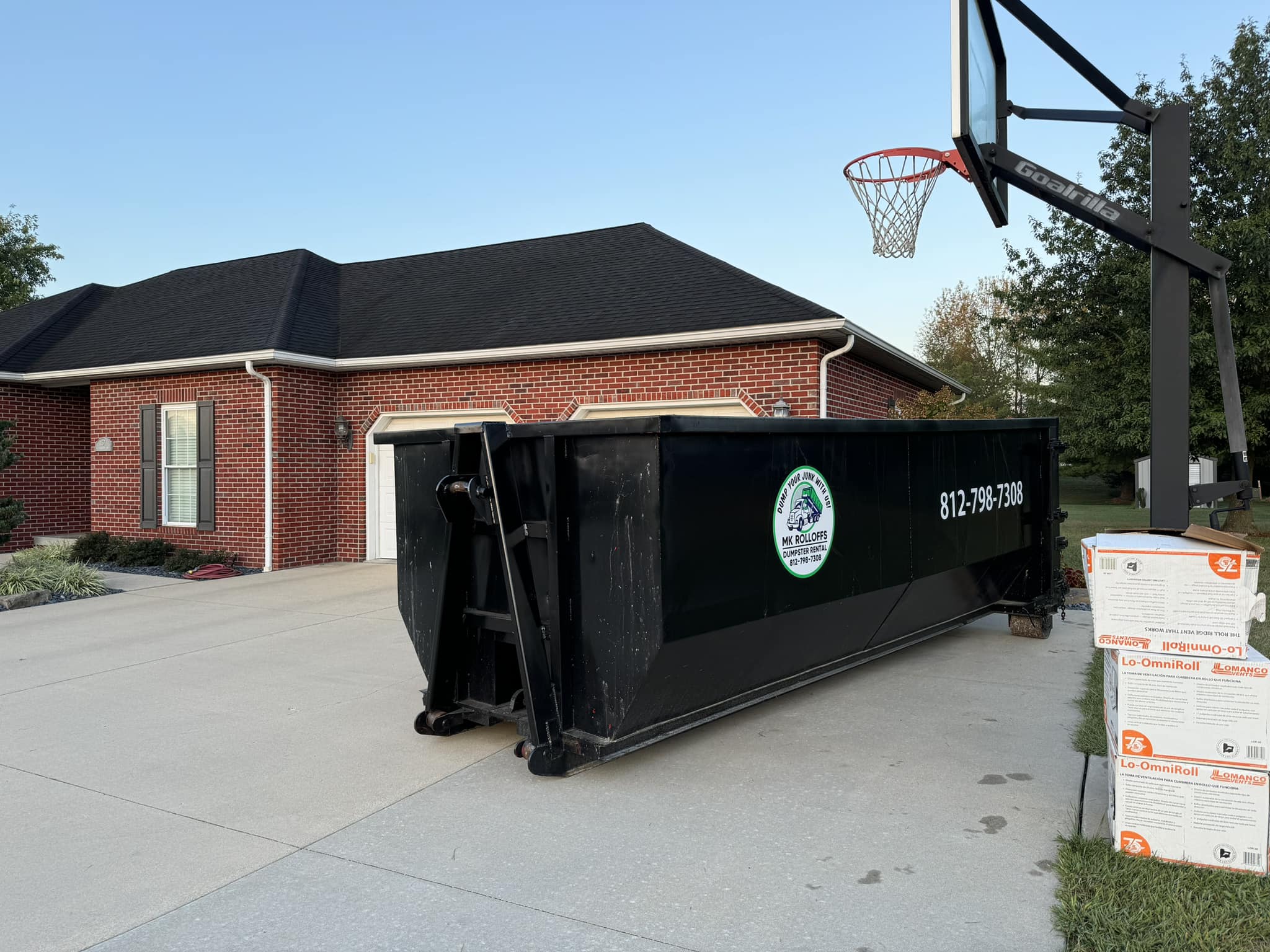
Proper preparation is key to a successful cleanup, and that includes handling debris responsibly. Whether you’re upgrading your living space, cleaning out a property, or handling debris from a construction site, renting a dumpster simplifies the entire waste process. However, even the most well-planned projects can face hidden challenges if weight limits aren’t properly managed. Extra charges for overweight dumpsters are one of those avoidable expenses that can catch people off guard and quickly disrupt a budget.
At MK Rolloffs, we take the time to explain how to manage dumpster weight efficiently so they can make informed decisions before loading begins. Knowing what contributes to your dumpster’s total weight and monitoring load weight helps ensure a smooth rental experience. With a little awareness and preparation, anyone can stay within weight restrictions and complete cleanup with ease. The key is learning what affects dumpster weight and adjusting your process accordingly.
Identifying the Main Causes of Overweight Dumpsters
Many renters face overweight fees because they misjudge the heaviness of their materials. Light household or renovation debris often fills the container without exceeding capacity. However, heavy items such as roofing debris, dirt, and building blocks can quickly push a container over its limit even if the dumpster appears only half full. Understanding the difference between light and heavy materials helps you load more strategically.
Separating heavy items from general waste before you start loading can make a big difference. By grouping similar materials together, you can gauge how much weight is being added and prevent overloading. It’s also wise to prevent layering dense debris with light materials that trap air pockets. Taking time to plan loading order keeps your container level and secure.
How to Load Your Dumpster Safely and Evenly
Even distribution inside a dumpster prevents issues during hauling. When debris is loaded more heavily on one side, it creates imbalance that complicates pickup and hauling. Stacking debris unevenly increases the risk of tipping or spillage during transport. Even distribution across the entire surface ensures that the weight is shared evenly, keeping transport smooth and damage-free.
Reducing the size of waste materials allows for even placement. Flattening boxes, disassembling furniture, and compacting materials allows for a more efficient layout. By arranging items thoughtfully inside, you’ll not only fit more into the container but also maintain a manageable overall weight. Organized disposal habits help control weight and maintain workflow efficiency.
Avoid Mixing Heavy and Light Debris in One Dumpster
Mixing materials without consideration can easily cause overloads. Heavy construction debris combined with household or yard waste often creates a load that exceeds allowable limits. Different waste types have unique weights, making it tricky to control limits when mixed. The best approach is to plan separate disposal strategies for dense and lightweight items whenever possible.
Separating materials properly supports environmental and safety standards. Some materials require specific handling to prevent damage or contamination during processing. Sorting ahead of time prevents overweight complications and maintains responsible disposal practices. Strategic organization ensures smoother disposal and accurate weight management.
Finding the Ideal Dumpster Size for Effective Waste Management
Selecting a dumpster that suits your project’s scale is one of the most effective ways to avoid excess weight. A dumpster that’s undersized can cause you to pack debris too tightly, raising the chance of going over the limit. On the other hand, a dumpster that’s appropriately sized gives you enough room to dispose of waste safely without worrying about overloading. It’s always better to have a little extra space than to run out mid-project.
We assist customers in choosing the dumpster that best fits their unique project requirements. By discussing your project details ahead of time, we can recommend an option that comfortably handles the type and amount of debris you expect to generate. This ensures the container is large enough to manage your dumpsters for rent near me waste without reaching dangerous weight levels. Selecting the right container saves time, promotes safety, and keeps your project efficient.
Recognizing How Moisture and Concealed Weight Affect Dumpsters
Water absorption is a hidden contributor to excessive dumpster weight. Wood, soil, and similar items quickly become heavier when exposed to rain or humidity. When wet materials are placed into the dumpster, the total load can exceed limits without anyone realizing it. Protecting waste from moisture before tossing it in the dumpster is an easy way to control total load weight.
Aside from water retention, some items carry more hidden mass than expected. Old appliances, roofing tiles, or large pieces of furniture can contain dense components that add more weight than expected. Taking a moment to inspect and break down these items before disposal can help prevent overweight issues. By staying mindful of these small details, you can keep your dumpster within safe limits throughout your project.
Why Staying Under the Fill Line Matters
When dumpsters are overfilled, both security and weight restrictions become concerns. Adding more waste beyond the fill line seems convenient but can result in unsafe hauling conditions. Hauling companies are required to ensure that dumpsters can be safely covered and secured, so an overloaded container may not be accepted until the excess material is removed. Keeping the debris level with the top edge prevents complications and helps maintain weight control.
The key is to load materials strategically rather than carelessly tossing them in. Heavier materials should go first, followed by lighter waste for proper balance. Layering strategically ensures full use of space while keeping within the fill boundary. Keeping your dumpster balanced helps guarantee smooth pickup and prevents unexpected issues.
Estimating Weight Before You Begin
You may not determine precise weights, but making estimates is still highly beneficial. Familiarity with how heavy different materials are helps you control your loading process. Organizing waste by material type helps keep an accurate eye on the total dumpster load. Even a rough estimate can help you make informed decisions about when to stop loading or when a second container might be necessary.
Tracking debris as you go helps avoid unexpected overweight results. Staged loading allows for adjustments before exceeding safe levels. It’s a useful way to regulate disposal volume and prevent mistakes. With a little monitoring, it’s easier to avoid going over capacity and maintain a smooth rental experience.
Organizing Early to Prevent Dumpster Overload
Spending time to organize before loading minimizes the risk of overage fees. Plan ahead by sorting your waste materials before the dumpster arrives. This organization step simplifies disposal and ensures smooth operation once loading starts. With a clear plan in place, you can work more effectively and reduce the chance of exceeding weight limits.
We encourage renters to approach waste management strategically. Loading in phases and staying organized makes cleanup easier and safer. When you manage waste intentionally, you reduce clutter, stay within limits, and make the most of your rental period. Such practices lead to more successful and stress-free cleanup projects.
Smart Strategies for Effective Waste Control
Smart planning and awareness help prevent overweight dumpster problems. By learning how materials affect total load and applying safe loading methods, you improve efficiency. Monitoring what you load helps maintain control and reduce hassle. Every step you take to plan and organize contributes to a safer and more cost-effective experience.
MK Rolloffs dedicates its service to promoting safe and responsible waste handling through dependable dumpster solutions. Our goal is to offer services that simplify disposal while maintaining eco-friendly standards. By following the best practices for weight management, you can enjoy the benefits of a hassle-free rental while maintaining a clean, organized worksite. Our goal is to ensure every customer completes their project with confidence, knowing they’ve managed waste the smart way.